"Fashion advertisements always seem so sexy — showing only the best faces and bodies there are, the people usually in advertisements look nothing short of perfect.
It's another story when a consumer, tempted by the desirable photographs featured in advertisements, purchases the publicized item and instead of a becoming like the models, remains normally flawed.
The goal of an advertisement is to allure a consumer to purchase a company's product, but when there is a vast difference between advertised reality and actual reality, it can only lead to disappointment — especially for the consumer.
With big companies like Cosmipolitan, and Nitro spending huge amounts of money on their Photoshop jobs, it is safe to assume that they are relying on commercials, layouts, ads and other promotional items to define for their customers what reality is.
When the advertisements they use feature products that look extremely different from the actual people, however, it would seem as though big companies are using these ads just to lure in unsuspecting consumers to purchase a less than realistic ideology."
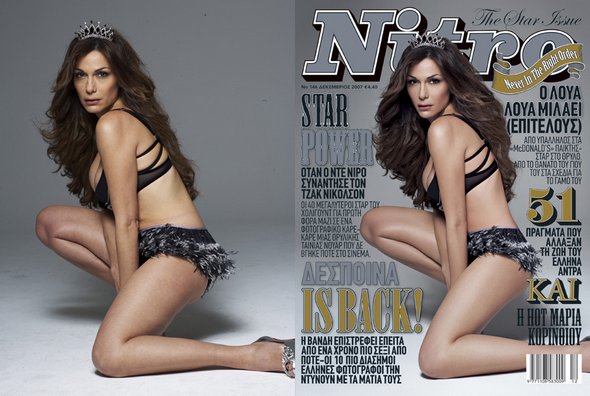
The article you just read was altered by me. Liberally paraphrased, if you will. Below is the ORIGINAL article. I copied it, and changed some of the words to get what you just read. Take a look:
"Fast food advertisements always seem so delectable — showing only the best ingredients and components of a meal, the food usually advertised looks nothing short of gourmet.
It's another story when a consumer, tempted by the mouth-watering photographs featured in advertisements, purchases the publicized item and instead of a delightful meal, receives what looks as though a fast food "chef" threw together barely edible components into an otherwise disgusting platter.
The goal of an advertisement is to allure a consumer to purchase a company's product, but when there is a vast difference between advertised product and actual product, it can only lead to disappointment — especially for the consumer.
With big fast food companies like McDonald's, Burger King and Domino's spending huge amounts of money on their marketing campaigns, it is safe to assume that they are relying on commercials, layouts, ads and other promotional items to get more customers.
When the advertisements they use feature products that look extremely different from the final meals, however, it would seem as though big companies are using these ads just to lure in unsuspecting consumers to purchase less than delightful food."
Article from http://www.pacepress.org/features/food-advertisements-differ-from-actual-meals-1.1656420#.T3kzsjEgfng

When we were talking about beauty standards in class, I realized this parallel. Food ads are as unrealistic as the edited models we're presented with, and we see both just as often. There are a few chefs in the world who can make food that actually looks like art, something you could put into a museum, and there are a few people out there who have amazingly smooth skin, big boobs, no fat, and a charming smile. The difference, of course, is that seeing modified people inspires a comparison to yourself, whereas seeing modified food inspires a comparison to something you consume. The other big reason the significance of the fabrications is so different is the relative time- you only deal with a meal for a few minutes, you deal with your body for tens of years.

No comments:
Post a Comment